Uncategorized
Showing all 12 results
Living True to Yourself
Living Assertively
Please subscribe to our Email list (see Quick links below) to know when each personal growth book is published, along with a resource list of each book topic.
What is assertiveness? Why can it feel challenging? Why does it matter? What can assertiveness help you do, and how do you practice it? This book answers these questions and shares many relationship skills. It explains the difference between assertiveness and aggression and between justified guilt and guilt that does not belong to you. You will learn ways to connect with yourself and others. These skills can support you when facing discrimination, conflict, or rejection.
This book also explains a framework for understanding how people often repeat relationship patterns learned from caregivers and culture. This framework may help you decide which patterns you want to keep and which ones you want to change. The book covers self-care, resilience, and coping skills, including choices about alcohol and drug use. It also offers guidance on dating and on acting assertively in sexual situations. Throughout the book, we explain how assertiveness skills can support peacebuilding.
This is not a light read. While the book is meant to support many people, it also explains how sexual and gender diversity can relate to living assertively.
Exploring Attitudes about Sexual and Gender Diversity
Conversations about sexual and gender diversity shape how we understand ourselves, relate to others, and build safer communities. This book explores ways to move beyond stigma by deepening understanding, strengthening dialogue, and supporting well-being.
Drawing on research and personal reflection, it examines key concepts and evolving language related to sexuality and gender. We share current research and provide an inclusive response to the question, “Can people change their sexual orientation or gender?” Readers are encouraged to approach these topics—and people with different perspectives—with curiosity, intellectual humility, and openness.
Be a Good Neighbor; Find Strength Together
This 128-page resource describes how finding strength in numbers and collaborating with those different from you can reduce harm and enhance health. We hope these ideas, skills, and narratives help you and other readers develop more community connection, security, and growth regarding sexual/gender diversity. We’ll describe our understanding of how unity is different from conformity and provide a relational model of “integrity and investment” to consider. We also highlight this peacebuilding book project’s process of bringing together differing and politically opposing coauthors/coeditors and the need for safety, representation, equity, and accountability.
We hope the following helps community and global neighbors find strength together while retaining individual/cultural differences and reducing harm.
Developing Sexual and Gender Identity
Please subscribe to our Email list (see Quick links below) to know when each personal growth book will be published, along with a resource list of each book topic.
Sexuality and gender expression are complex aspects of being human. This resource is designed to increase your understanding, curiosity, and knowledge of sexual and gender diversity.
We include graphs that allow readers to reflect on the strength, persistence, and fluidity of their sexual, romantic, and emotional attractions and aversions (if any) to men, women, and nonbinary individuals, as well as to any preferred sexual interests. Additional graphs support exploration of resonance and dissonance with embodying male, female, or ambiguous sex characteristics and expressing culturally defined gender roles. You can download a handout of these graphs from this webpage.
This increased awareness may help readers clarify their sexual orientation, gender, and gender-role orientation; develop self-acceptance; and identify what they need for personal and social congruence and living in alignment with who they are.
We also provide guidance for parents and caregivers of gender-diverse youth. This section outlines common circumstances in which youth experience distress related to their gender and assigned sex and offers strategies for supporting their well-being, exploration, and healthy self-development.
Develop Your Sexuality and Understand Consent
We hope this booklet helps you feel more informed and confident about sexuality and consent. We will provide a nuanced look at sexual expression and interest, such as pornography and masturbation, as well as health practices, such as decisions about sexually transmitted infections (STIs). We’ll also talk about using your values to make decisions. Throughout, we’ll provide questions for self-reflection and give examples about consent and how to speak up about what you want and don’t want. You’ll also learn how to feel good about your body, understand and develop your sexual self, and learn strategies for healing from sexual abuse. We’ll offer examples of sexual assertiveness throughout and how these issues relate to sexual/gender diversity.
Which price fits your resources? Coauthors receive 100% of the payment and also want their booklet available to everyone. Audiobooks are coming later.
Making Peace with Religion, Sexuality, and Gender
Please subscribe to our Email list (see Quick links below) to know when each personal growth book will be published, along with a resource list of each book topic.
Manage Family Conflicts about Sexual/Gender Diversity
This booklet describes what to do when your family is experiencing conflicts about sexual/gender diversity. It is designed for all family members, especially parents/caregivers of LGBTQIA+ children, as well as LGBTQIA+ individuals who feel disconnected from their family. We also include support for siblings and extended family members. We’ll describe how LGBTQIA+ individuals must often create their own “family of choice” due to rejection from their family of origin. To promote family resilience and flourishing, we’ll describe how to co-create family safety, common shared goals, and connection.
Readers will learn how to use their mind-body to reduce their emotional distress (self-regulate) to respond more effectively to conflicts and stress. A summary of the Peacebuilding protocol used for this book project will also be provided. This protocol describes how to dialogue and hold one viewpoint in mind at a time (yours or another’s) and develop the skills to hold two (yours and another’s) or more viewpoints together and how this empathy relates to security and growth. The ability to consider differing viewpoints is essential for family members who want to resolve conflicts assertively, including those related to sexual/gender diversity. Without these experiences of mutual care and understanding, families begin to stop sharing themselves with each other, begin to hide from one another, and eventually splinter.
We hope the ideas, skills, and experiences presented in this resource help family members across political divides find strength together while retaining their individual differences regarding sexual/gender diversity.
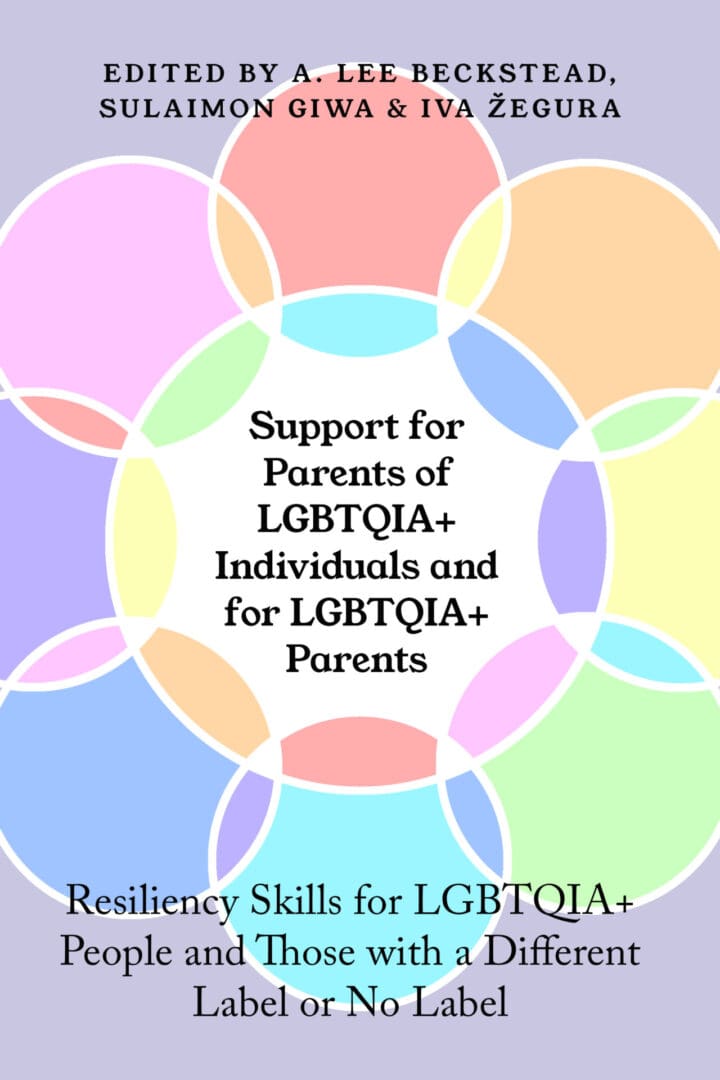
Support for Parents of LGBTQIA+ Individuals and for LGBTQIA+ Parents
Being a parent/caregiver and helping your child grow, learn, and become is a lifelong process filled with joy, challenge, heartache, and pride. Being a parent/caregiver of a child with a marginalized or diverse sexual orientation, sexuality, and/or gender expression (like LGBTQIA+) or being an LGBTQIA+ parent/caregiver or both is no less filled with a wide range of emotions, reactions, and experiences.
In this booklet, scholars and practitioners from differing and politically opposing perspectives have come together to find common ground in support of all parents/caregivers regarding sexual/gender diversity. LGBTQIA+ individuals and adult children of LGBTQIA+ parents/caregivers may also benefit from reading this resource and understanding more about their parents/caregivers’ struggles, strengths, limitations, and needs.
Many of the suggestions and skills for parents and caregivers of LGBTQIA+ individuals may be helpful for LGBTQIA+ parents and caregivers and vice versa. For example, readers will learn tips for raising children with a different sexual/gender identity than their own and ways to help children deal with prejudice and mistreatment. We’ll also provide ideas on how parents/caregivers can develop their own relationships and self-compassion. We hope this booklet builds bridges and develops empathy among caregivers with differing cultural and political affiliations.
Which price fits your resources? Coauthors receive 100% of the payment and also want their booklet available to everyone. Audiobooks are coming later.